
Campaign rallies look simple from the outside: a stage, a crowd, a speaker, and a few hours of noise. Anyone who has covered one knows the real work happens in the gaps. Access is uneven, crowds move without warning, and the quote you need often arrives in a sentence most people miss.
This guide describes what to expect when you cover a rally in Ohio, whether you are reporting for a newsroom or a blog, and how to keep the work accurate when conditions are chaotic.
Before the event: confirm access and timing
Find the official time, the venue, and the doors-open time from the campaign's own announcements, then confirm them with a call or a message to the press contact. Doors often open well before the speaker, and the speaker often runs late. Ask whether credentials are required, whether there is a designated press area, and whether the event is closed to recording. Campaigns handle press differently. Some send a list of credentialed outlets, others give access on arrival, and some restrict recording.
Plan your route and parking as if the event will be bigger than expected. Ohio rallies are held in many kinds of venues, each with its own entrance and its own queue. Bring a charged battery pack, a notebook, and a way to file quickly. A reporter who arrives late often ends up at the back of a crowd where the sound is worst.
If you are covering the event for a local outlet, a short call to the campaign's regional office a day ahead can clear up questions about parking, press entrances, and whether a speaker will take questions afterward. Campaign plans can change quickly, so confirm again the morning of the event. For other posts on Ohio campaigns, see the statehouse races archive.
Look at previous coverage of similar events before you go. One earlier example on this site is the 2012 post about a Bealsville speech.
Working the room without getting stuck
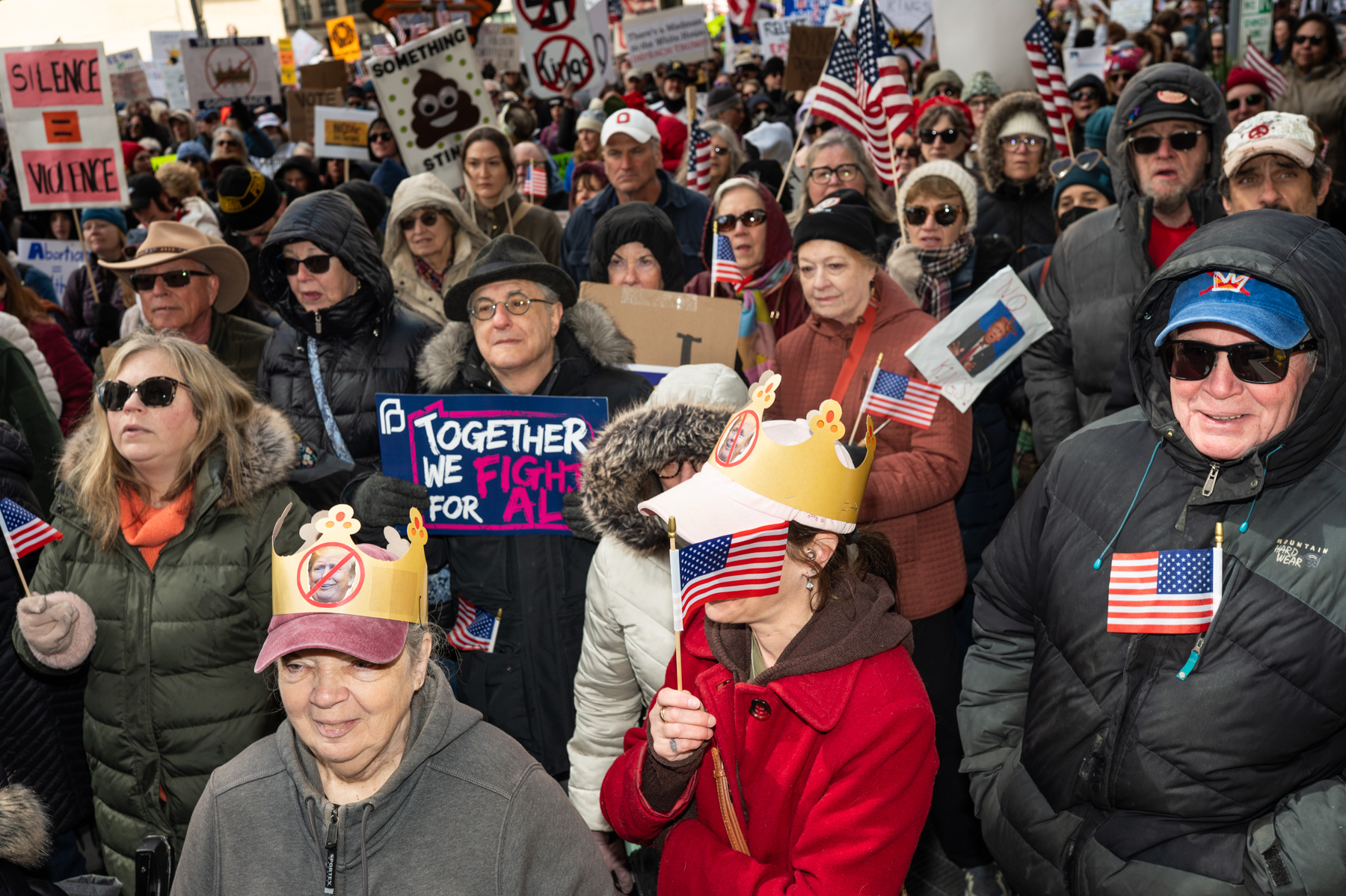
Once inside, stay where you can see the stage and hear the speakers. Notice who arrives, what signs people carry, and which lines get a reaction. Crowds tell you what matters to them, but a loud reaction is not the same as a policy point. Note the time of each major moment, since memory is unreliable after a long day. If you have permission, record audio. Recording in a crowd can help you get exact wording, but it does not replace handwritten notes.
Talk to attendees briefly and openly. Introduce yourself, say where you are publishing, and ask one or two questions. Plenty of people will decline, and that is their right. Avoid making up quotes or summarizing someone's view without their words. Be careful with people who are visibly upset or who appear to be minors, and do not photograph anyone who has asked not to be photographed.
Keep moving if the crowd tightens. Standing in one spot for three hours gives you one angle and one set of sightlines, and a rally often changes shape in its last thirty minutes.
Getting the quote that matters
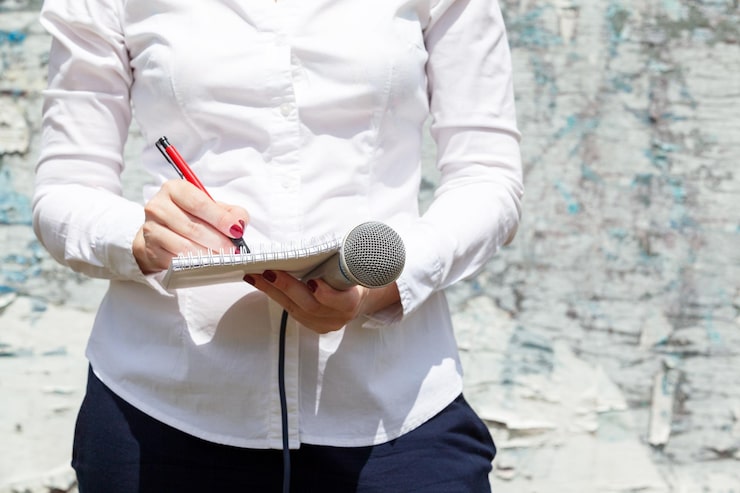
Candidates speak in set pieces. The part you need is often in the question and answer, in an aside after the speech, or in a side conversation with staff. If there is a press gaggle at the end, go early and expect to be pushed back. Ask direct questions, and write down the exact answer, including the parts that do not fit your story. A quote that complicates your angle is still the quote.
Check every quote against your recording or notes before you file. Confirm the speaker's title and the name of the event. Do not paraphrase inside quotation marks. If a campaign issues a transcript or a clip, compare it with what you heard and note any discrepancy in your own piece. Small errors in campaign coverage spread fast, and a correction is much harder to make than an accurate first version.
Keep a separate note for any claim the speaker made that you could not verify on the spot. Mark it as unverified in your draft and check it against a primary source before publication. Campaign statements that sound precise often rely on figures that need a second look. For a national-level example of campaign coverage on this site, see the 2020 presidential archive.
Writing it up while the story moves
File a short first version quickly, with the core facts: who spoke, where, when, and the main claim or announcement. Then update with the strongest quote and the context around it. Readers want the basic news first and will come back for analysis. Keep your opinion clearly separate from what happened, and label analysis as analysis.
Do not overstate attendance. Estimates of crowd size vary widely, and organizers, police, and observers often disagree. Describe what you saw in plain terms, such as filling a section of seats or spilling into the parking lot, and avoid a precise number unless you counted or have a reliable source. A clear, modest description is more credible than a flashy figure you cannot support.

If you get something wrong, publish a correction promptly and visibly. A short note that names the error and gives the correct information is enough; there is no need to delete the original post.
Keep the first version and the corrected version in your own records, with the time of each update, so you can answer questions about what changed.
For a related example of a single event covered on this site, see the 2016 post on a Buckeye delegation breakfast.
Frequently asked questions
Do I need press credentials?
Sometimes. Some events require advance registration, while others allow anyone into the public area. Contact the campaign before the event to find out which applies.
Can I film the speech?
Often yes, but rules differ by venue and by campaign. Ask the press contact or venue staff before you start, and respect any instruction to stop.
How should I handle a disruption?
Keep your distance, keep recording if it is allowed, and note the time. Report what happened factually and avoid describing a person's motives unless you have evidence for them.


