
An election night watch party can feel like a celebration or a wake, depending on the room. In practice it is a long wait, punctuated by bursts of numbers, speeches, and the occasional rumor. Results arrive in stages rather than all at once, and people who understand the stages are less likely to panic at the first numbers.
This guide describes what typically happens inside a watch party in Ohio and how to follow the night without getting swept up in it.
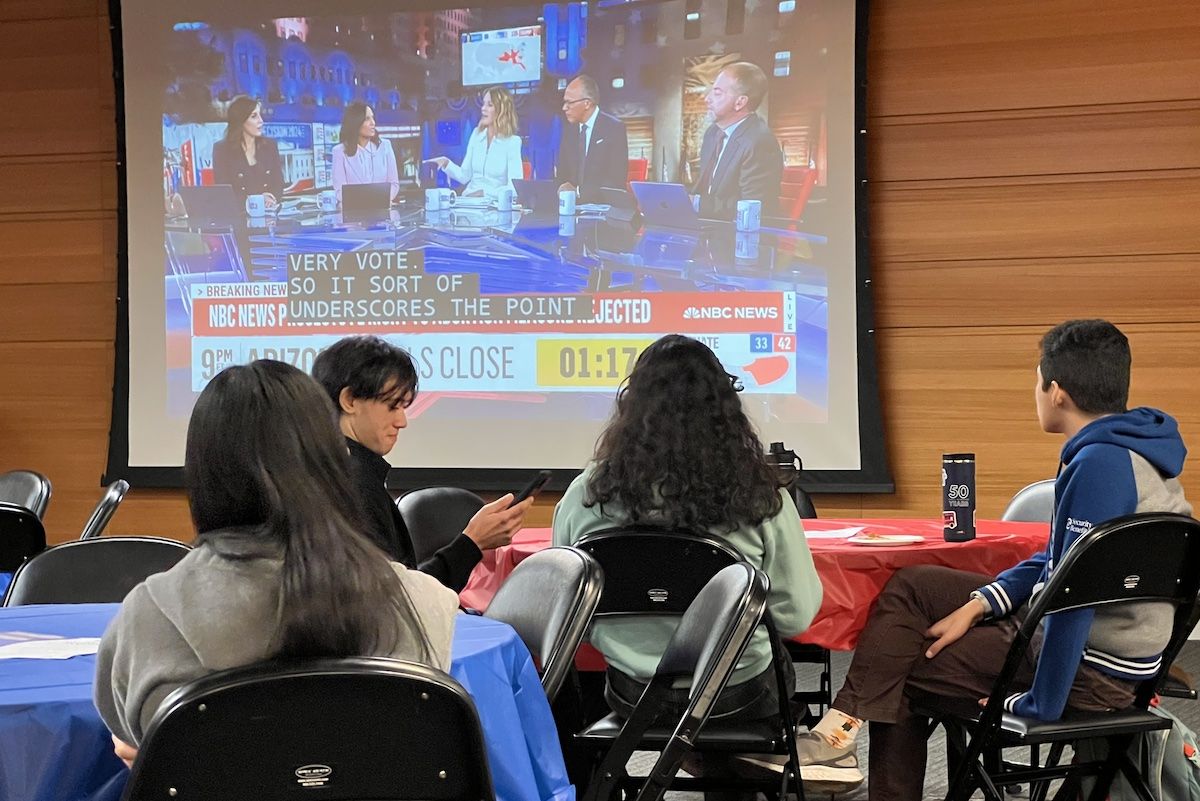
Arriving and finding your place
Arrive early, since rooms fill in the hours before the first results and the best spots near the screens go quickly. Many watch parties check guests in at a table, and some require a ticket or a name on a list. The room is usually set up with several screens, a stage or riser for speakers, a food and drink area, and a press section that is separate from the guests. Staff will often post a rough timeline of expected speeches.
Bring a charged phone and a charger, cash for parking, and a light layer, since rooms can be warm or cold depending on the venue. If you are working as a reporter, check in with the press contact on arrival and ask where the speakers will stand and when the main remarks are expected. Those details matter more than any single number on screen.
For an earlier post on live coverage during a 2012 presidential debate, see the 2012 live chat post.
How results arrive in stages
Results do not arrive all at once. Counties report at different times, and the order in which votes are reported depends on the counting process, the number of ballots still to be processed, and how each county releases its totals. Early numbers are often a partial picture, and later numbers can shift the margin in either direction. Urban and rural counties can report on different timelines, and a race that looks settled early can tighten as more ballots are counted.
Ohio counties post unofficial results on election night, and boards keep counting absentee and provisional ballots afterward. Treat each update as one step in a longer process. The question to ask is not what the first number says, but what has been counted, what remains, and where the remaining votes are likely to come from.

For an earlier post on early voting scenes in Ohio, see the 2012 early voting post. Early and absentee totals can change how the first results should be read.
Watching the screens without overreading them
Compare the numbers on screen with the numbers from earlier elections in the same counties. That comparison tells you more than a single snapshot, because it shows whether turnout and margins look typical. Check which percentage of precincts or counties has reported, and find out the source of the figures. Official county websites are the most reliable source, while media tallies are often assembled from those same official sources.
A campaign declaring victory is not a result. Campaigns may announce a win based on their own data, and a concession speech can come before every ballot has been counted. Media organizations make projections using data analysis, and those projections are not the same as the official count. Be careful with social media posts that quote partial totals without context.
For another post from the 2012 general election on this site, see the 2012 post on election results.
Keep the official county site open in a separate tab, and refresh it on a schedule rather than reacting to each update on social media.
The speeches and the timing problem
Candidates often speak before final results are in, and their remarks are usually scheduled around expected television coverage and the mood of the room. The main speech may come late in the evening, and the room may empty or fill in waves as people arrive and leave. Plan for the possibility that the speech you need will come after you were ready to leave.
Ask the press contact for the expected time of the main remarks and whether the speakers will take questions. Speakers who take questions usually do so briefly and in a set order. If you need a specific comment, ask early, and be prepared to file a short update with the speech as context rather than as the whole story.
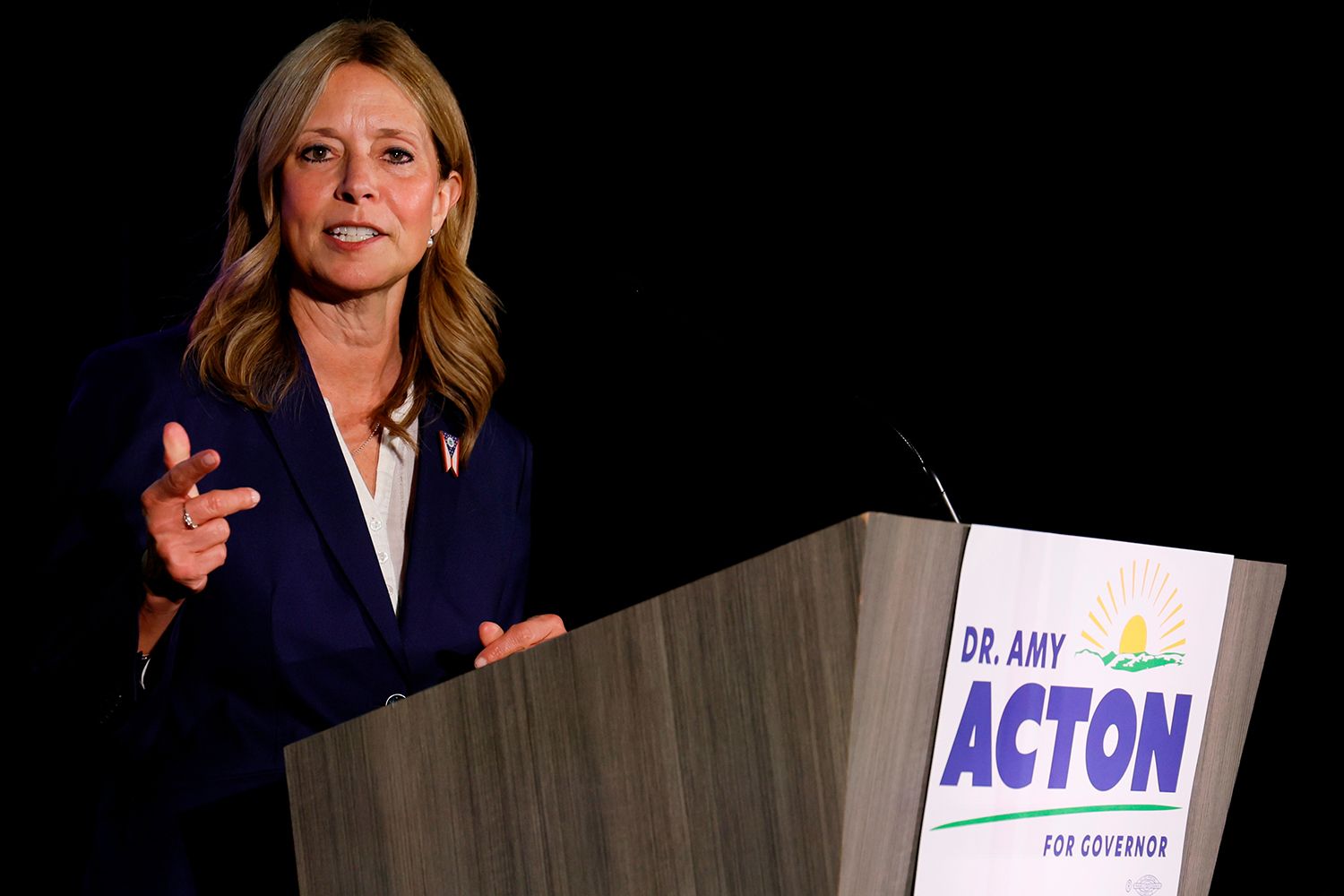
If a speech runs long, ask staff whether a written statement will be released afterward. Written statements are easier to quote accurately than a speech you are transcribing in a crowded room. Keep notes on the time of each statement, since the room's mood can shift quickly when a result changes.
Leaving the room with an accurate account
Take timestamped notes throughout the night. Write down when each major number appeared, what each speaker said, and the source of each figure. Quote exactly, and confirm the speaker's title and the name of the event before you publish. If you rely on a number from a county site, note the time you checked it, since totals can change.
Do not describe a race as final until the official certification is complete, and be ready to correct an early report if the count moves. A clear account that says what was known at a given time is more useful to readers than a confident first version that changes by morning.
Before you file, reread your notes against the official county results, and remove any sentence that depends on a figure you have not checked yourself. The discipline matters most in the late hours, when fatigue makes it easy to skip a step.
Finish the piece with a clear statement of what is known at the time of publication and what remains to be counted.
Frequently asked questions
Do watch parties require tickets?
Many do, especially those run by campaigns or parties. Some public watch parties are free. Check the host's page or call ahead to confirm.
When will a winner be known?
For close races it can take days or weeks. Official certification comes after counting and canvass, and some races go to a recount.
Are early results reliable?
They give a rough picture, but they are unofficial and can shift as more ballots are counted. Wait for official updates before drawing firm conclusions.


