
Plenty of people walk up to the Ohio Statehouse expecting a museum with set hours and a guide at every door. The building is a working legislature first and a historic site second. That difference shapes almost every mistake first-time visitors make, from showing up at the wrong time to assuming the chambers are open to anyone who wanders in.
The points below come up again and again for people visiting the building for the first time. Each one is easy to avoid once you know it is there.

Treating the building like a museum
The Statehouse does offer tours, and they are a good way to see the rotunda, the historic rooms, and the architecture. Still, the rest of the building runs on the legislative calendar. Offices, committee rooms, and the chambers keep their own schedules, and a quiet weekday morning can look very different from a session day. Visitors who plan around a tour time and then try to watch a floor debate have often picked the wrong day.
Check the posted information before you go, including tour availability and any reservation requirements. Tours can fill on busy days, and group sizes may be limited. If you want a tour and a hearing on the same day, schedule the tour first and build the hearing around it. Hearings can run long, and the tour will not wait for you.
Think of the building as a place to observe the process, not a display.
Build the visit around one fixed item and leave some room on either side. A visit that depends on a single exact time has little room for the unexpected, and most first visits include at least one surprise.
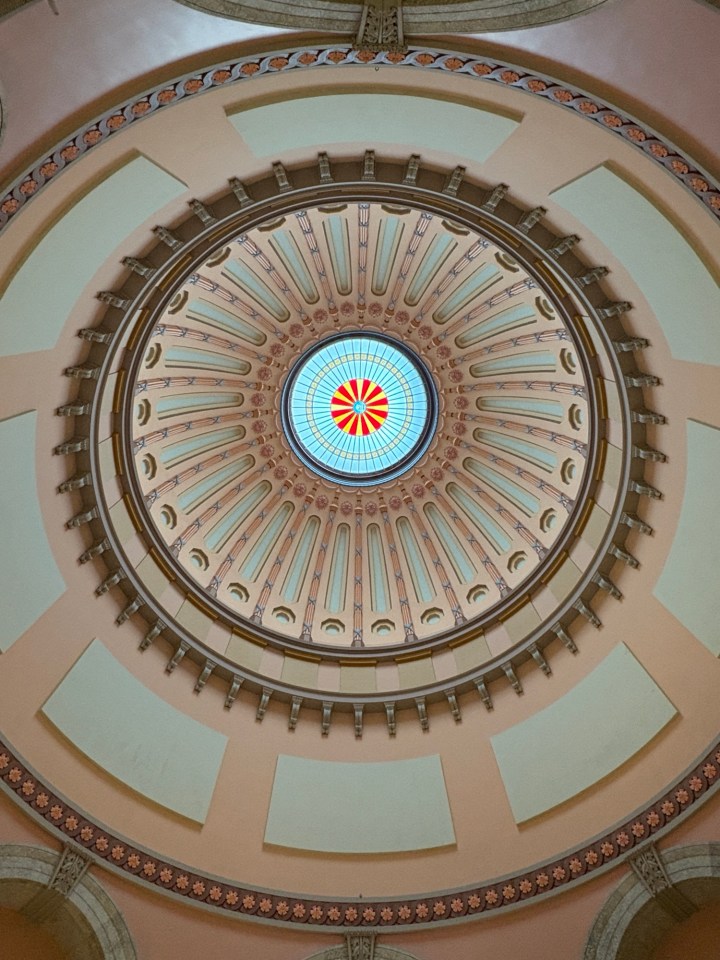
Expecting the chambers to be open at all times
The House and Senate chambers are the two rooms most visitors want to see, and they are not always open to watch. Sessions are scheduled, and the public gallery is available during sessions, but the gallery's rules, capacity, and access points can change. Some days have no floor session at all. Sitting in a gallery is also not the same as seeing the debate on a bill in full. Much of the real work happens in committee, which is why the committee schedule matters more than the floor calendar for many visitors.
For recent coverage from a legislative session year, see the 2020 Ohio legislature archive. Reading a few posts before a visit gives you a sense of which issues were moving at the time.
If the chamber is your goal, confirm that it meets that day, then plan to arrive well before the start time. Galleries fill for high-profile votes, and the line can stretch through the lobby. Expect to leave phones and some bags at security, depending on current rules, and do not count on bringing a laptop or a large water bottle inside.
Dressing for a government building
Nobody checks a dress code at the door, but people who dress for a formal meeting tend to feel more at ease, especially in a hearing where witnesses sit at the front. Business casual is a safe choice for most visits. Comfortable shoes matter more than people expect, because the Statehouse involves stairs, long corridors, and a fair amount of standing. Layers help, since the temperature can vary between rooms and between the outdoors and the interior.
If you plan to testify, dress a step above what you would wear to a casual visit. The committee will not judge a bill by your outfit, but a clean, serious appearance helps when you are one of several people addressing the same panel. Bring a printed copy of any statement, even if you have sent one electronically.
A pen and a small notebook are worth carrying as well. Staff often hand out forms at the desk, and having your own notes ready makes filling them out faster.
For a sense of the kinds of debates that bring crowds into the building, the Ohio legislature archive on this site is a useful starting point before you visit.
Confusing the Statehouse with other offices
A common mix-up is treating the Statehouse as one office with one boss. The building houses the legislature, and the governor has an office there, but the governor's administration and the state's many agencies work from their own locations across Columbus. A question about a state agency's rule may have nothing to do with a bill, and a legislator's staff may not be able to answer it. Knowing which branch you need saves time.
Ask yourself what kind of answer you want. If you want to change a law, the legislature is the target, and the bill's sponsor and the committee are the people to contact. If you want a rule enforced or a permit issued, an agency is the right office. If you want to know how a state policy affects your county, your local representative or senator is the starting point. For coverage of the governor's record, see the Governor DeWine archive.
The Statehouse is a useful place to learn how these pieces fit together, but it is rarely the place where a specific personal problem gets solved on the spot.
Underestimating how long everything takes
Visitors often budget a thirty-minute stop and end up spending the whole afternoon. Security takes time, especially at busy hours. Finding the right room, reading the posted schedule, and waiting for a hearing to start all add up. Plan for at least two hours for a single hearing, and longer if you want to look around the building as well. Leave room in your schedule for the drive back into downtown traffic, which can be heavier at the end of the workday.
A hearing starts when the chair says it does, not when the schedule says. Committees sometimes start late while members finish other business, and a bill may be heard after several others. Bring water, a snack, and something to read. Do not plan a meeting right after a hearing unless you can leave the building quickly. Visitors who treat the day as flexible tend to get more out of it than those who expect everything to run on schedule.
If you are visiting with a group, share the plan ahead of time, including where to meet after the hearing and what time everyone needs to be back at the car.
Frequently asked questions
Is the Ohio Statehouse free to visit?
Entry to the building is generally free, but parking, food, and any special tour may carry separate costs. Check current Statehouse information for tour details and reservation needs before you go.
Can I talk to my legislator during a visit?
Sometimes, if the legislator is in the building and available. Calling or emailing the office ahead of time gives you a better chance of a meeting than showing up unannounced.
Do I need to bring ID?
Current policy decides this. Bring a photo ID as a precaution, since security staff may ask for one, and keep it within reach when you reach the entrance.


