
A public hearing in Columbus can be a half-day commitment or a full day, depending on the bill, the committee, and how far you travel. Day trips work best when the schedule is planned from the hearing outward rather than from the drive inward.
This guide covers how to choose a realistic plan, how to time the drive and the building visit, and what to pack. A checklist near the end is meant for the night before you leave.
Pick the hearing first
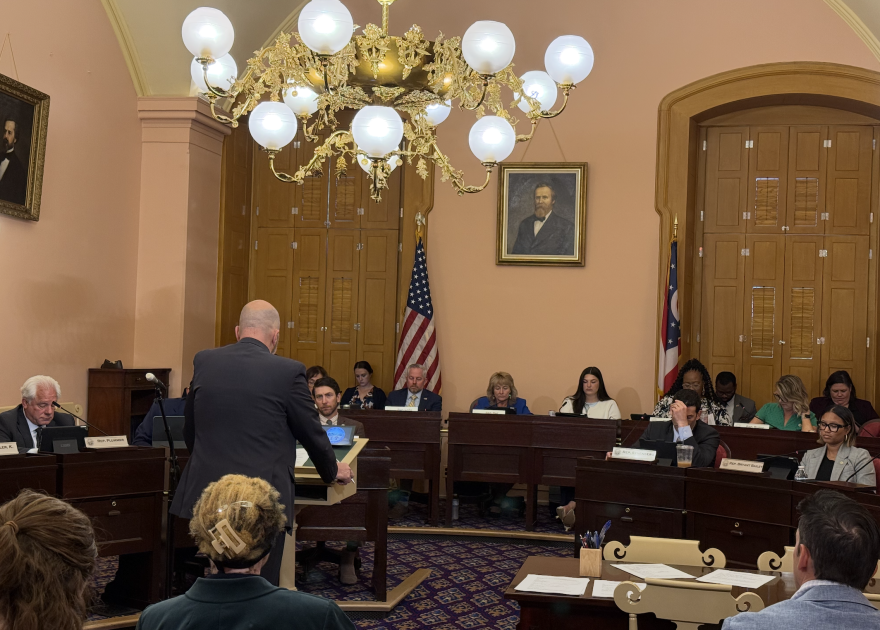
Start with the hearing, not the destination. Confirm that the bill is on the committee's schedule for the day you want, and check the start time and room on the legislature's site. A hearing can start late or be continued, so treat the posted time as a best estimate rather than a promise. If the bill is not yet scheduled, decide whether to wait for a notice or to make the trip on a day you can use for other things.
For a broader set of posts on Ohio's legislature, see the Ohio legislature archive.
If the bill is a priority for your group, consider sending a written statement even if you plan to attend, since a statement on the record remains available after the trip ends.
Once the hearing is confirmed, work backward. Decide when you need to be seated, then build in the walk from parking or a bus stop and the time for security. A day built around a single fixed point is easier to manage than one that tries to fit three appointments into the same afternoon.
Work out the travel time honestly
Columbus sits in the middle of the state, so trips from Cleveland, Cincinnati, Toledo, or Dayton are often one to two hours each way, depending on the route and traffic. Check the drive time on a live map for the time of day you will travel, not the time of day the map shows as a default. Rush-hour traffic in and around downtown can add a substantial delay, and a route that looks direct may run through construction.
If you are traveling by bus, check the current schedule and the return times before you leave home. Intercity routes do not always run as frequently on weekends or evenings, and a missed return can add hours to the day. Whatever the mode, plan for the return trip as carefully as the outbound one.
For a set of posts from one legislative cycle, the 2020 legislature archive is a useful reference.
If you drive, fill the tank before you reach the city, and check whether the route passes through construction zones that can slow the return trip.
Build in a buffer around the hearing
A buffer is the time you do not plan to use. Arrive at least thirty minutes before the hearing starts, and expect the first part of the day to take longer than you think. Parking, security, and finding a room can use up most of the early time, and a late start can cascade into a missed item.
After the hearing, leave time for questions, a short conversation with staff, and the walk back to the car. Hearings often run longer than the posted schedule, and a bill may be taken up later than planned. If you have a fixed departure time, tell the committee staff you may need to leave early and ask whether there is a better place to sit or to submit written comments.
For other posts on statehouse campaigns, see the statehouse races archive.
Before you leave for the building, decide where you will park or catch your bus back, and write the time you need to be at the stop or the garage exit. A trip with a fixed return plan feels calmer from the first minute.
Use the time between events
Downtown Columbus has places to eat, sit, and walk between events, but many are busy at lunch. A quick plan for food, such as a counter-service spot or a packed lunch, can save a long wait. Keep the schedule loose enough that a late hearing does not force you to skip a meal entirely.
If you have time for the Statehouse itself, check the tour schedule and the building's hours before you go. A tour can be a good way to fill a gap when a hearing is delayed. Also consider a short walk around Capitol Square to see the building from outside, which gives you a useful landmark for finding your way back after security.

Plan a meeting with a legislator or staff member only if you have confirmed their availability in advance. Session days change quickly, and a meeting that depends on a last-minute call can fall through.
Keep your phone on silent during the hearing and check messages during breaks rather than in the room. If someone is waiting for you outside, agree on a meeting point ahead of time.
Pack and check before you leave
Use this list the night before. It covers the things people most often forget on a long day in a government building:
- Bill number, committee name, hearing date, and room, confirmed that morning
- Printed copies of any statement, plus a one-page summary
- Photo ID and any other documents the building or the hearing may require
- Phone, charger, and a battery pack for the trip and the day
- Water, a snack, and a light layer for changing building temperatures
- Parking receipt or ride code saved in one place, with the return time noted
Before you leave home, check the hearing status one more time. If the bill has moved, decide whether the trip still makes sense before you drive.
Confirm the hearing room number on the morning of the trip as well, since rooms can change. Write the room number on the same page as the bill number so you do not have to search your phone while walking through the building.
Frequently asked questions
Can I do a hearing and a meeting with my legislator on the same day?
Often yes, if you book the meeting first and leave a buffer. Confirm availability in advance, since session days are unpredictable.
What if the hearing is postponed?
Check the bill's status and the committee schedule the morning you leave. If the item has moved, decide whether the trip is still worthwhile before you commit to the drive.
Is a day trip practical with children or older relatives?
It can be, with more time for breaks, a short walking plan, and a clear exit point if the hearing runs long. Consider a separate plan for anyone who cannot sit through a long session.


