
Ohio's primary calendar looks simple on a wall chart and gets complicated in practice. Registration deadlines, early voting windows, absentee ballot requests, provisional ballots, and certification all happen on their own schedules, and the dates change from one election year to the next.
Voters who understand the sequence avoid the most common problems. This guide walks through how the calendar generally works and where to confirm exact dates before you act on them.
Who sets the dates and where to check them
Ohio election dates come from state law and from the Secretary of State's office, which administers statewide elections and publishes an official calendar for each cycle. The calendar lists registration deadlines, the start of early voting, the absentee request deadline, and the date of the primary itself. Because the primary calendar can shift between cycles, do not rely on a date from an old article or a social media post. Go to the Secretary of State's official site for the year you need, and bookmark it.
For an earlier post on early voting in Ohio, see the 2012 post on early voting three days before an election.
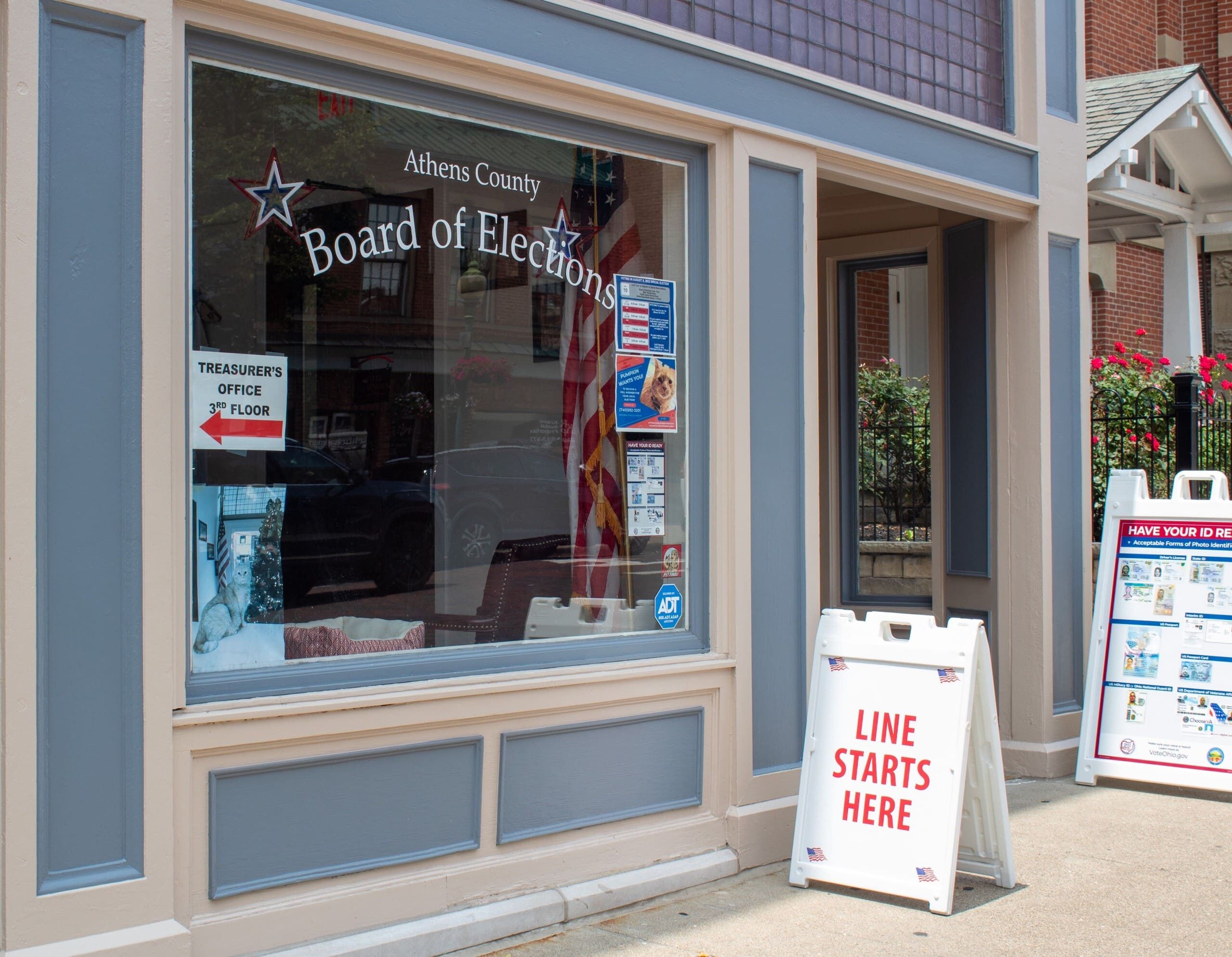
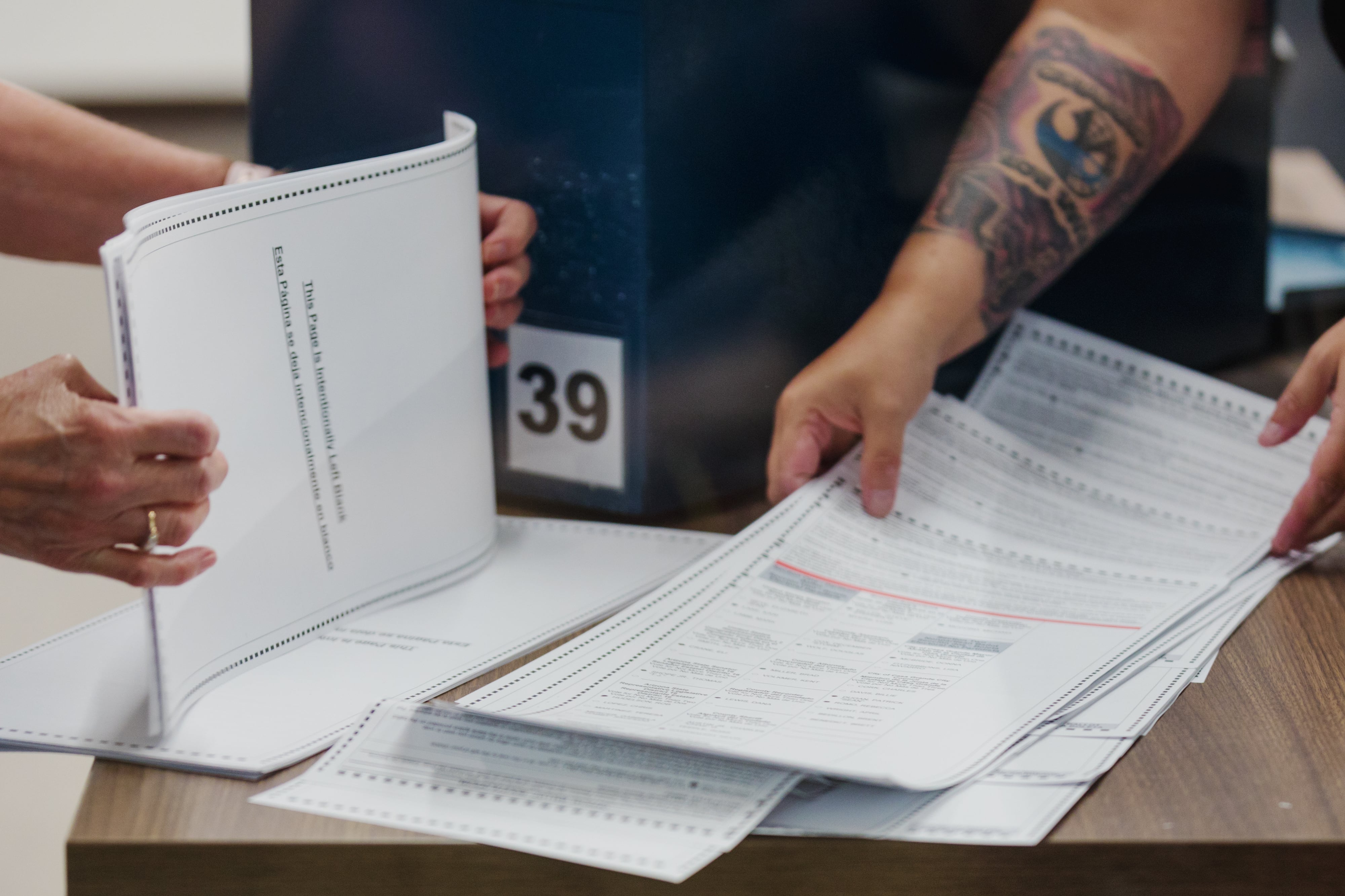
Local boards of elections run the process in each county. They mail absentee ballots, staff polling places, count votes, and handle provisional ballots. The county board is the office that can answer questions about your polling place, your registration status, and the timing of results in your area. For a primary, the same office also prepares the ballots for each party, which is why it is worth calling the county board with a specific question.
How partisan primaries work in Ohio
In Ohio, a primary is a party election. Voters choose one party's ballot at the polls, and the ballot shows the candidates running in that party's primary for each contest. Voters do not choose a Democratic and a Republican candidate for the same office in the same primary. Some races appear together on the same ballot, but the primary contest for each office belongs to one party. Ohio does not register voters by party, so your registration does not carry a party label.
Because the party choice is made when you vote, it matters which ballot you request or pick up. Some voters are surprised to learn that the party selection shapes which primary races they can vote in. Read the instructions before you mark a ballot, and if you have questions, ask a poll worker before you submit it.
If you are unsure which ballot to request as an absentee voter, call the county board before you mail anything, since it is easier to settle a question before the ballot goes out.
For an earlier post that mentions early voting ahead of a March primary, see the 2016 Plunderbund post.
The sequence from registration to results
The election process runs in a predictable order, even though the exact dates change. Registration comes first, followed by a window for early in-person voting and a window for absentee requests and returns. Election day is the final step in casting ballots, but it is not the end of counting. Local boards finish tabulation, resolve provisional ballots, and certify results in the weeks that follow.
The table below shows the stages in general terms. Look up the actual dates for your election on the official calendar, because the specific deadlines are what matter when you plan.
| Stage | What happens | Why it matters |
|---|---|---|
| Registration deadline | Last day to register or update your address for the primary | Missing it can stop you from voting in that election |
| Early voting period | In-person voting at the county board before election day | Lets you avoid election day lines |
| Absentee request deadline | Last day to ask for a mail ballot | Late requests may not be processed in time |
| Election day | Polls open for in-person voting | Check your polling place before you go |
| Counting and canvass | Boards tabulate ballots and check results | Early results can change as ballots are counted |
| Certification | Official results are confirmed | Final results and any recounts are settled here |
Absentee and early voting in practice
Absentee ballots in Ohio must be returned in a signed envelope by the deadline, and the envelope rules matter as much as the date. Read the instructions that come with the ballot, and follow them closely. A missing signature or an incomplete envelope can cause a ballot to be rejected. Some counties offer a way to track whether a mailed ballot has arrived, so check the county board's site after you mail yours.
Early in-person voting gives you a chance to vote before election day without a mail delay. Hours and locations are set by the county board, and they can be busier in the final days of the window. Bring the identification the board requires, and check the county's list of accepted forms before you go. A short trip early in the window is often less stressful than a rush on the last day.
Keep a record of when you requested or returned a ballot. If a question comes up later, that record will make it much easier to resolve with the county board.
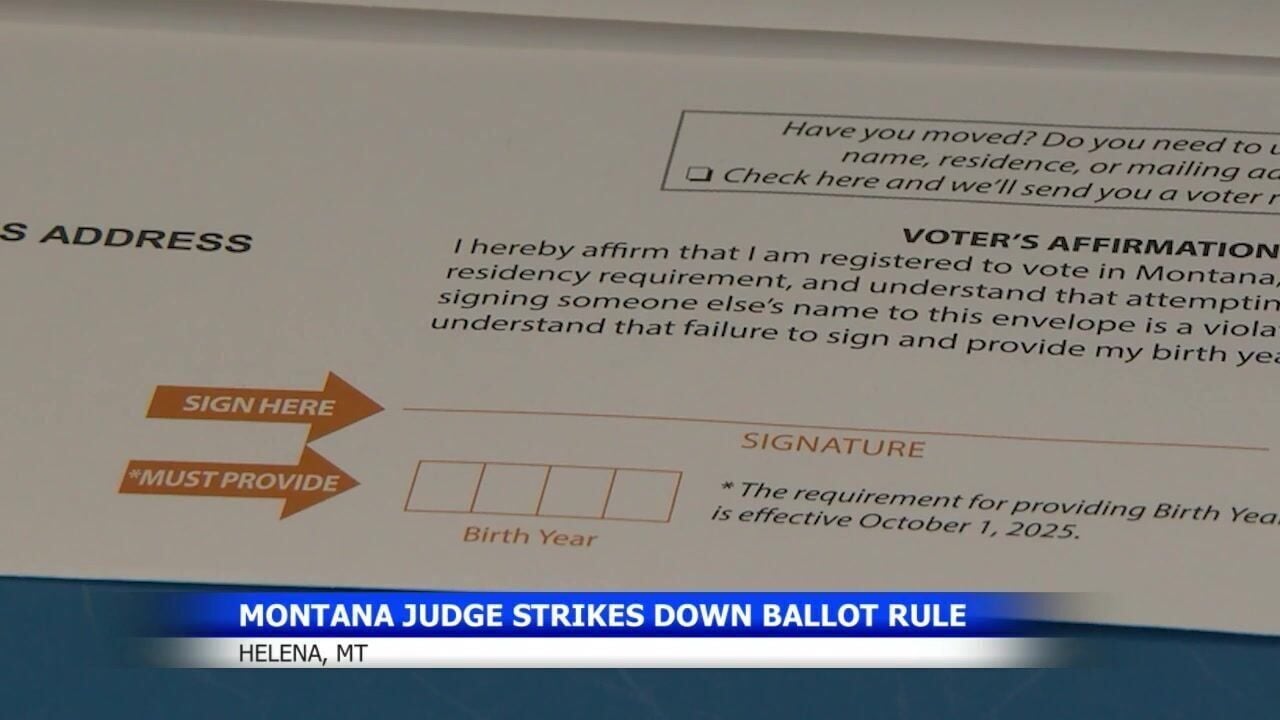
If your ballot arrives damaged or with the wrong contents, contact the county board right away and ask for instructions on a replacement, rather than trying to correct it yourself.
Provisional ballots and certification
A provisional ballot is cast when a voter's eligibility or registration cannot be confirmed at the polls. The ballot is set aside, and the board checks eligibility afterward. If the check confirms that you were eligible, the ballot is counted. Ask a poll worker for a provisional ballot rather than leaving without voting, and make sure you know how to check its status with the county board.
Election night totals are unofficial. Boards keep counting absentee and provisional ballots, and results can move as they do. Certification is the point where the official results are confirmed, and it can take several weeks. If a race is very close, a recount may follow. Wait for the official updates before drawing firm conclusions, especially when a close margin shifts overnight.
For other posts on how elections are run in Ohio, see the fair elections archive.
If a provisional ballot question is still open after certification, the county board's written decision is the document to ask for, and it is worth keeping a copy.
The elections and voting tag archive on this site collects earlier posts on election administration, which can help you see how these steps have been handled in past cycles.
Frequently asked questions
Do I register by party in Ohio?
No. Ohio does not register voters by party. You choose a party ballot at the primary, so your registration does not require a party label.
What if my name is missing from the rolls?
Ask for a provisional ballot at the polls. Election officials check eligibility afterward, and the county board can tell you how to confirm the outcome.
When are results final?
Election night totals are unofficial. Final results come after counting and certification, which can take several weeks.


