
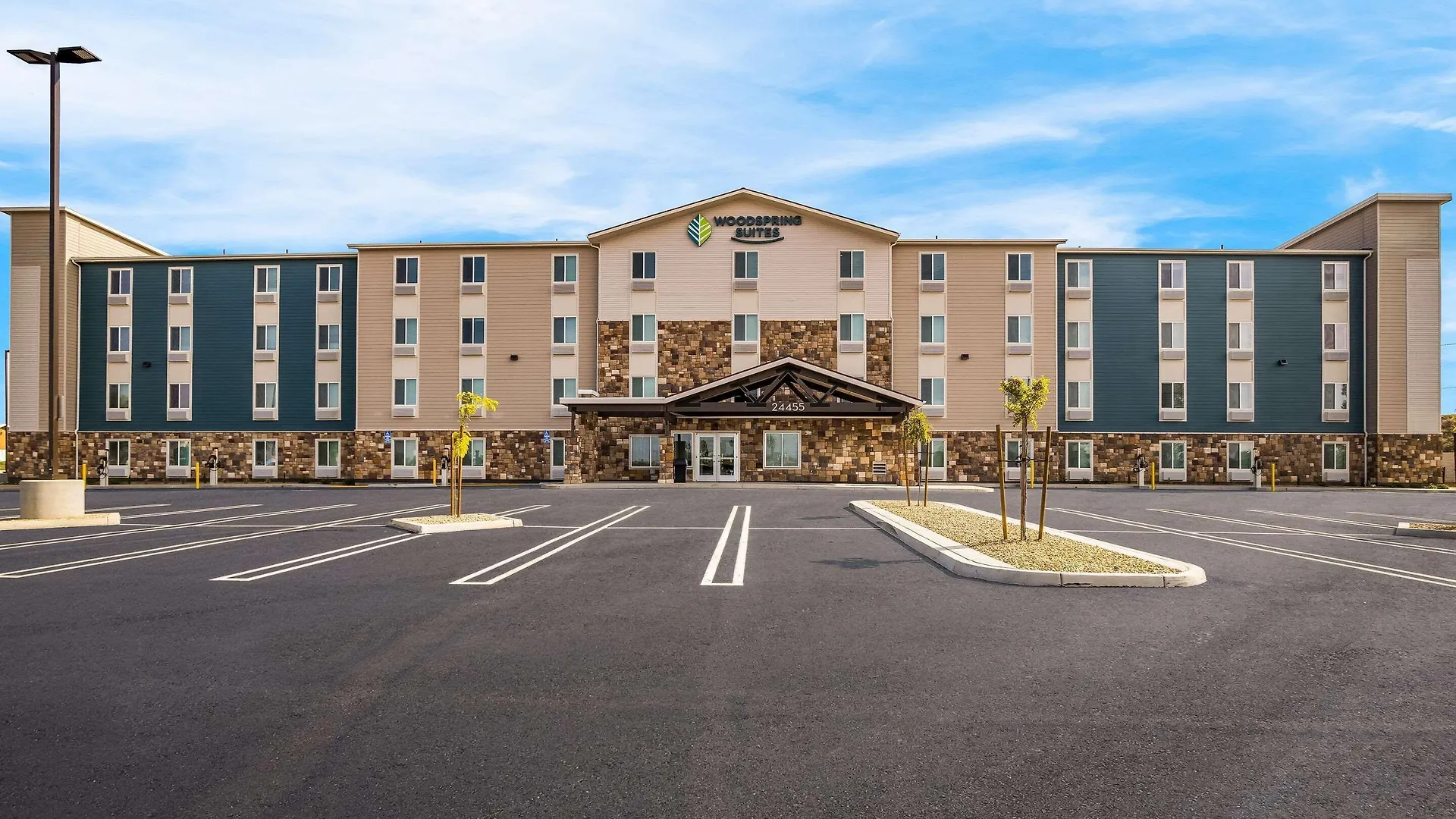
The San Bernardino Mountains stretch across one of Southern California's most geographically varied regions - from high-desert gateway towns like Yucca Valley and Hesperia to mountain corridor stops near Cajon Pass and the Inland Empire edges around Moreno Valley. Choosing where to stay here determines how much driving you'll do, which attractions are reachable, and what kind of trip rhythm you'll have.
What It's Like Staying in the San Bernardino Mountains Region
The San Bernardino Mountains region isn't a single destination - it's a network of distinct towns and entry points serving different traveler types. Moreno Valley and Hesperia function as gateway hubs near major highways, while Yucca Valley sits at the edge of Joshua Tree National Park, and the Cajon Pass corridor connects the High Desert to the Los Angeles Basin. Most attractions are car-dependent, with distances between key spots averaging around 40 km, so having your own vehicle is essential rather than optional. Crowds peak sharply during ski season at Mountain High Resort (December-March) and during spring wildflower season near Joshua Tree, when accommodations along the I-15 and Highway 62 corridors fill quickly.
Travelers who benefit most from staying here are road trippers, outdoor adventure seekers, and those visiting multiple Southern California regions in a single trip. Those looking for walkable urban environments or dense dining districts will find this region logistically challenging - the towns are spread out and pedestrian infrastructure is limited.
Pros:
- Direct highway access (I-15, I-10, Highway 62) connects you to Los Angeles, Palm Springs, and Las Vegas without backtracking
- Significantly lower hotel rates compared to Palm Springs or Big Bear Lake resort cores
- Central positioning for multi-destination itineraries covering Joshua Tree, Mountain High, and the Inland Empire
Cons:
- No public transit between towns - a rental car is non-negotiable for every activity
- Limited walkable dining or nightlife around most hotels in this region
- Desert heat in summer regularly exceeds 38°C at lower elevations, restricting daytime outdoor activities
Why Choose a Hotel in the San Bernardino Mountains Area
Hotels in this region - as opposed to vacation rentals or mountain cabins - typically offer the most consistent amenities for travelers passing through or using the area as a base for day trips. Most hotel options here sit in the mid-range to budget tier, with nightly rates often around 40% lower than comparable properties in Palm Springs or downtown Riverside. Room sizes tend to be functional rather than spacious, though extended-stay formats (like WoodSpring Suites) offer kitchen facilities that add real value for multi-night stays. The trade-off is atmosphere - these are largely highway-adjacent, utilitarian properties rather than boutique mountain lodges.
The category makes most sense for travelers who prioritize location flexibility and predictable amenities over design or ambiance. Free parking is standard across virtually all hotels in this corridor, which is a meaningful cost saving compared to resort or urban properties where parking fees can add significantly to a bill.
Pros:
- Free parking is nearly universal, eliminating a daily cost that urban hotels charge separately
- Breakfast inclusions and in-room kitchenettes reduce daily food spending substantially
- Indoor and outdoor pools available at multiple properties - useful given the desert climate
Cons:
- Highway noise is a real issue at properties directly off I-15 or I-10 - request rooms away from the road
- Limited on-site dining; most properties rely on nearby fast food or chain restaurants
- Aesthetic experience is functional, not scenic - mountain views are rarely part of the hotel design
Practical Booking & Area Strategy
The most strategic base depends entirely on your itinerary: Hesperia and Cajon Pass are best for those targeting Mountain High Ski Resort or using the I-15 corridor between Los Angeles and Las Vegas. Yucca Valley positions you closest to Joshua Tree National Park's western entrance, cutting park access time significantly compared to staying in the Coachella Valley. Moreno Valley suits travelers with University of California Riverside visits or Auto Club Speedway events on the agenda. Book at least 6 weeks ahead for ski season weekends (December through February) and spring Joshua Tree peak season (late February through April), when rooms along Highway 62 and I-15 sell out well in advance. Mojave Narrows Regional Park, Palm Springs Aerial Tramway, and the Pacific Crest Trail near Cajon Pass are among the top outdoor draws - all require a car to access from any hotel in this guide. For summer travel, prioritize properties with pools and confirmed air conditioning, as valley-floor temperatures make outdoor midday activity impractical.
Best Value Stays
These properties offer competitive rates with practical amenities suited for road trippers, outdoor visitors, and extended-stay travelers using the San Bernardino region as a base.
-
1. Woodspring Suites Moreno Valley
Show on map


 Check-infrom 15:00 until 23:59Check-outuntil 11:00
Just a few rooms left at the best rate!
fromUS$ 95
-
2. Field Station Joshua Tree
Show on map


 Check-infrom 16:00 until 23:00Check-outfrom 06:00 until 11:00
Just a few rooms left at the best rate!
fromUS$ 114
-
3. Cajon Pass Inn
Show on map


 Check-infrom 15:00 until 23:59Check-outuntil 11:00
Hurry – almost gone at this price!
fromUS$ 100
Best Premium Pick
For travelers who want breakfast included, an indoor pool, and a well-connected highway location with consistent brand-standard amenities, this property stands above the others in the selection.
-
4. Holiday Inn Express Hotel & Suites Hesperia By Ihg
Show on map


 Check-infrom 15:00 until 23:59Check-outuntil 11:00
Rooms filling fast – secure the best rate!
fromUS$ 108
Smart Travel & Timing Advice for the San Bernardino Mountains Region
The San Bernardino Mountains region has two distinct peak windows that affect both availability and pricing. Ski season at Mountain High Resort (December through February) drives demand at Cajon Pass and Hesperia properties, often pushing weekend rates up sharply and filling rooms by Thursday. Spring - particularly late February through April - is peak Joshua Tree season, when Yucca Valley hotels like Field Station sell out weeks in advance as wildflower blooms attract visitors from across Southern California. Summer is the least competitive period for pricing but comes with serious heat limitations; midday temperatures regularly exceed 38°C at valley-floor properties, making pool access critical and limiting outdoor activity to early morning or evening hours. Autumn (October-November) offers the best balance of mild weather, manageable crowds, and reasonable rates - making it the most underrated window for first-time visitors. A minimum stay of 2 nights makes logistical sense here given the driving distances involved; anything shorter doesn't justify the transit time from Los Angeles or Palm Springs. Book at least 6 weeks ahead for any ski or spring desert travel - last-minute availability along these corridors is limited during peak windows.


